
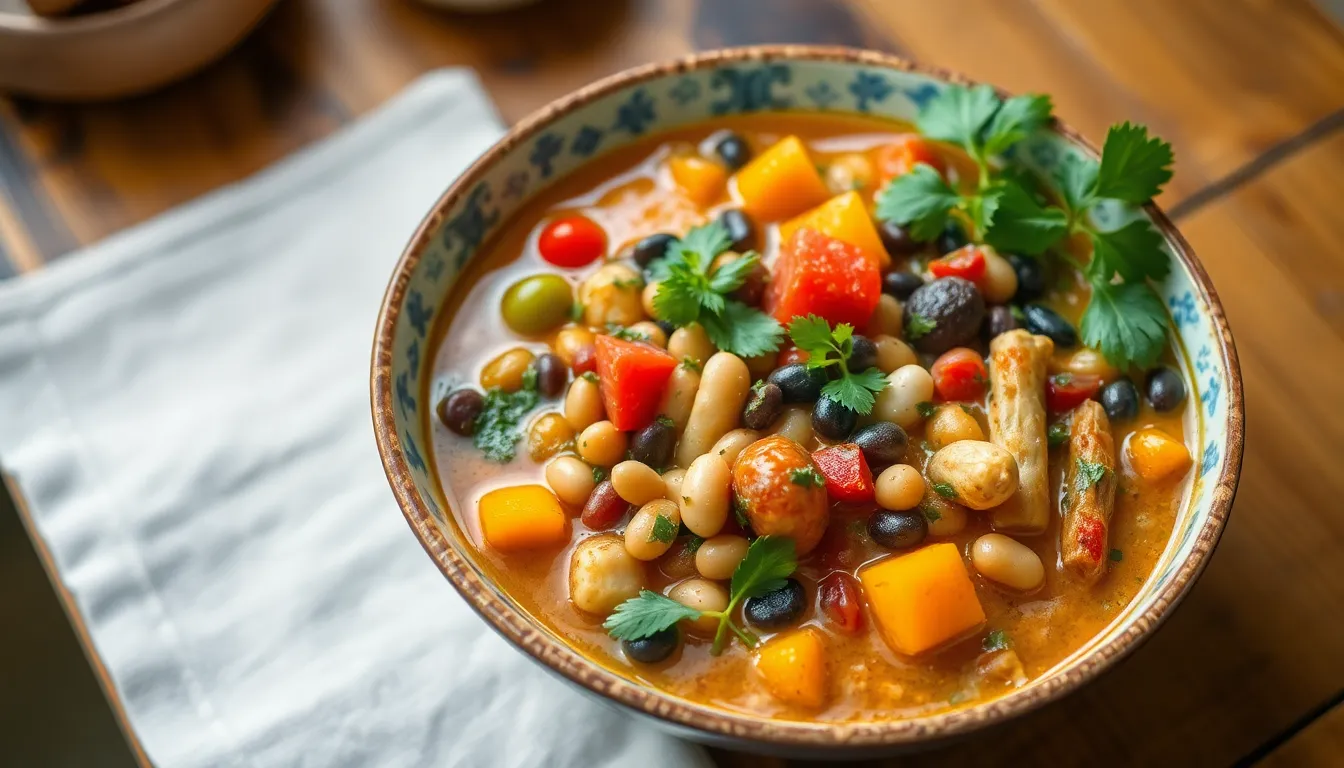
If you’ve ever tried yumkugu, you might have wondered, “Is yumkugu difficult to digest?” This question is common because yumkugu is a fermented, starchy food made from roots like yam or cassava. Its unique texture, fiber content, and fermentation make it both nutritious and sometimes tricky for digestion.
Understanding how your body handles yumkugu can help you enjoy it comfortably. This guide covers everything from what yumkugu is, how digestion works, its potential benefits, common symptoms, and tips to reduce discomfort. By the end, you’ll know how to eat yumkugu safely and reap its gut-friendly benefits.
What Is Yumkugu? Understanding This Unique Food
Yumkugu is a traditional fermented food made from tuberous roots such as yam or cassava. During preparation, the roots are peeled, washed, and fermented. Fermentation introduces beneficial bacteria, giving yumkugu a slightly sour taste and boosting its probiotic content. Depending on the region, it may be dried into flour, boiled into porridge, or cooked into a flatbread.
Nutritionally, yumkugu is rich in fiber, carbohydrates, minerals, and probiotics. Fiber helps regulate digestion, while probiotics support a healthy gut microbiome. Its traditional use in various cultures shows how versatile and essential it is as a staple food, especially in areas where tubers are a key energy source.
Quick Table: Nutritional Snapshot of Yumkugu (per 100g)
| Nutrient | Amount | Benefit |
|---|---|---|
| Carbohydrates | 35-40g | Provides energy |
| Fiber | 3-6g | Supports healthy digestion |
| Protein | 1-2g | Maintains muscles |
| Minerals | K, Mg | Supports heart and bone health |
| Probiotics | Varies | Promotes gut microbiome health |
How Digestion Works – A Simple Explanation
Digestion is the process your body uses to break down food and absorb nutrients. It starts in the mouth with chewing and enzymes, continues through the stomach where acids break down proteins, and ends in the intestines where nutrients are absorbed. Fiber and probiotics can impact how smoothly this process works.
Some foods are easier to digest than others. High-fiber and fermented foods like yumkugu provide benefits but can cause bloating or gas if your digestive system isn’t accustomed to them. Understanding digestion helps explain why yumkugu might feel heavy for some people but gentle for others.
Is Yumkugu Difficult to Digest? Factors That Affect Digestibility
Whether yumkugu is difficult to digest depends on several factors. Its high fiber content can bulk up the stool and support healthy bowel movements, but people with sensitive stomachs may experience gas or bloating initially. Fermentation adds probiotics, which aid gut health but may temporarily cause mild discomfort.
Other factors include individual gut health, portion size, and preparation methods. Cooking yumkugu thoroughly often makes it gentler on the stomach, while raw or highly fermented versions can feel heavier. Personal tolerance varies, so what is easy for one person may be challenging for another.
Benefits of Yumkugu for Digestion and Gut Health
Yumkugu is more than just a starchy food—it has several gut-friendly benefits. The fermented bacteria in yumkugu can help improve the diversity of gut microbes, which supports digestion and immunity. Fiber helps keep bowel movements regular and may aid in blood sugar control.
Additionally, traditional diets that include yumkugu often experience better nutrient absorption from other foods. Eating fermented foods like yumkugu alongside other balanced meals can improve digestion and support long-term gut health, making it a valuable part of a healthy diet.
Common Digestive Symptoms People Experience With Yumkugu
Some people may notice bloating, gas, or mild stomach discomfort when they first eat yumkugu. This is normal as the digestive system adjusts to the combination of fiber and probiotics. Those with conditions like IBS or a sensitive gut may feel these effects more strongly.
It’s important to distinguish between normal digestive adjustment and problematic reactions. Persistent stomach pain, diarrhea, or nausea may indicate an intolerance or an underlying digestive condition. Gradually introducing yumkugu can help prevent these symptoms.
How to Reduce Digestive Discomfort From Yumkugu
There are simple ways to enjoy yumkugu without stomach issues. Start with small portions and gradually increase intake as your gut adapts. Cooking yumkugu thoroughly and pairing it with gentle foods like cooked vegetables or lean protein can also ease digestion.
Drinking plenty of water helps fiber move through the digestive tract smoothly. Listening to your body and adjusting the portion size, frequency, and preparation method ensures that you enjoy yumkugu comfortably while reaping its gut health benefits.
Yumkugu vs Other Fermented Foods – Digestibility Comparison
Compared to other fermented foods like yogurt, kefir, or kimchi, yumkugu has a unique composition. While yogurt contains mainly dairy-based probiotics, yumkugu’s fermentation comes from tuber starches. This difference affects digestibility.
Yumkugu is typically more fibrous than yogurt, which may make it slightly harder for some people to digest initially. However, like other fermented foods, it promotes healthy gut bacteria, making it beneficial for long-term digestive health.
Yumkugu Recipes & Ways to Enjoy It Without Digestive Issues
To enjoy yumkugu safely, try boiling it into porridge or combining it with soft-cooked vegetables. You can also bake it into flatbreads or mix it with mild soups to reduce the intensity of fiber and fermentation.
Experimenting with small portions first helps your digestive system adjust. Avoid eating large amounts at once, especially if you are new to fermented foods. By introducing yumkugu gradually and pairing it with gentle foods, you can enjoy its nutritional and digestive benefits without discomfort.
Conclusion
So, is yumkugu difficult to digest? The answer depends on your gut health, portion size, and preparation. For most people, properly cooked and introduced gradually, yumkugu is a nutritious, gut-friendly food that supports digestion and overall health. Understanding your body and how you prepare yumkugu is key to enjoying it safely.
FAQs
Q1: Is yumkugu good for digestion?
Yes, its fiber and probiotics support healthy bowel movements and a balanced gut microbiome.
Q2: Can anyone eat yumkugu safely?
Most people can, but those with sensitive digestion should start with small portions.
Q3: Does fermentation make yumkugu easier to digest?
Fermentation introduces beneficial bacteria that can help digestion, but high fiber may still cause temporary gas.
Q4: How much yumkugu should I start with?
Begin with a small portion, like 50-100 grams, and gradually increase as your gut adjusts.
Q5: What are the signs of poor digestion after eating yumkugu?
Severe bloating, diarrhea, or nausea may indicate intolerance or digestive issues requiring attention.
Read More: auctane shipstation